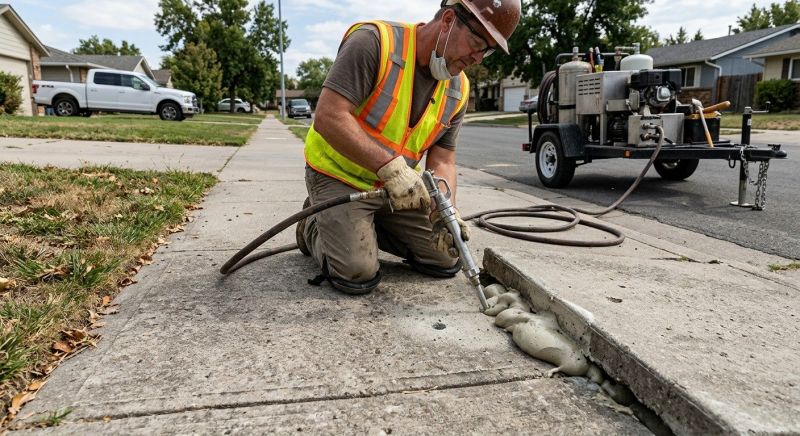
Pressure Grouting in Denver, CO
Pressure grouting services involve injecting a specialized mixture of cement, water, and other materials into soil or void spaces beneath a property to improve stability and support. This technique is commonly used in projects such as foundation repair, settling correction, soil stabilization, and underpinning for structures experiencing shifting or uneven settling. Homeowners considering pressure grouting should understand that the process helps fill gaps, reinforce weak soil, and prevent further movement, making it a practical solution for maintaining the integrity of basements, slabs, or retaining walls.
Before requesting pressure grouting, property owners often want to know about the scope of the project, including areas that need stabilization and the expected outcomes. It’s important to assess whether the soil conditions beneath the property require reinforcement or if foundation issues are causing uneven floors or cracks. Understanding the process, potential disruptions, and how the treatment can improve long-term stability can help homeowners make informed decisions about addressing structural concerns and protecting their investment.
Many property owners in Denver, CO look into Pressure Grouting for repairs, replacements, upgrades, and appearance-related improvements.
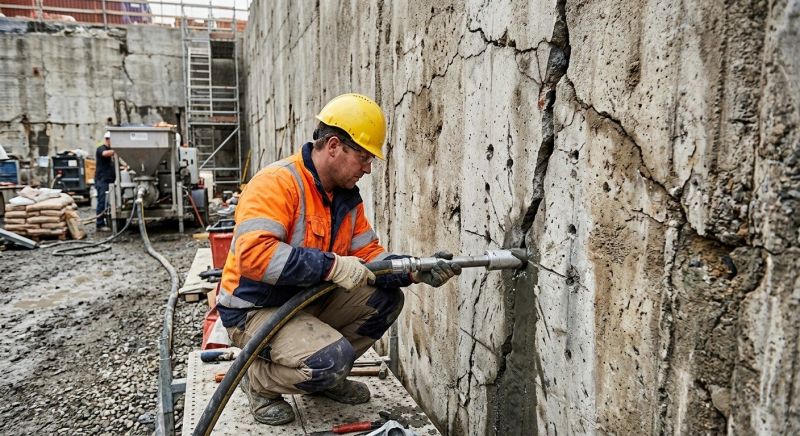
Foundation Stabilization
Pressure grouting helps reinforce and stabilize settling or cracked foundations in denver homes.
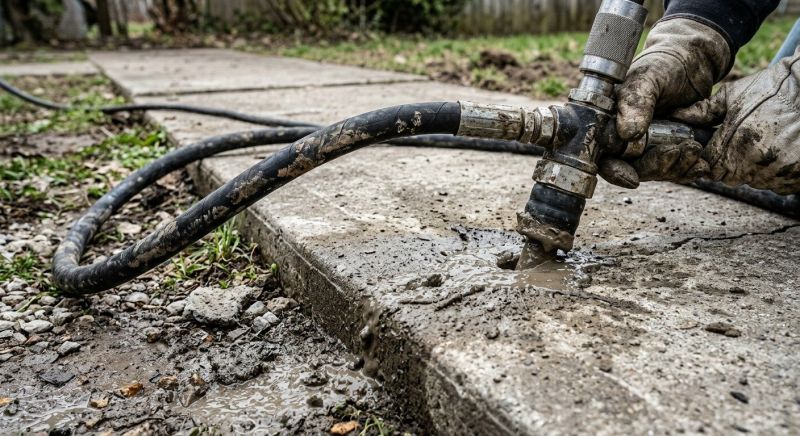
Soil And Void Filling
This service effectively fills voids beneath slabs and reduces soil settlement around properties.
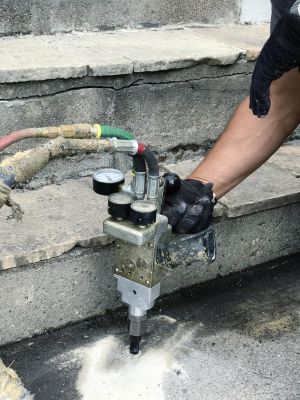
Structural Repair Support
Pressure grouting provides targeted support for lifting and strengthening uneven or damaged structures.
Pressure Grouting in Denver, CO
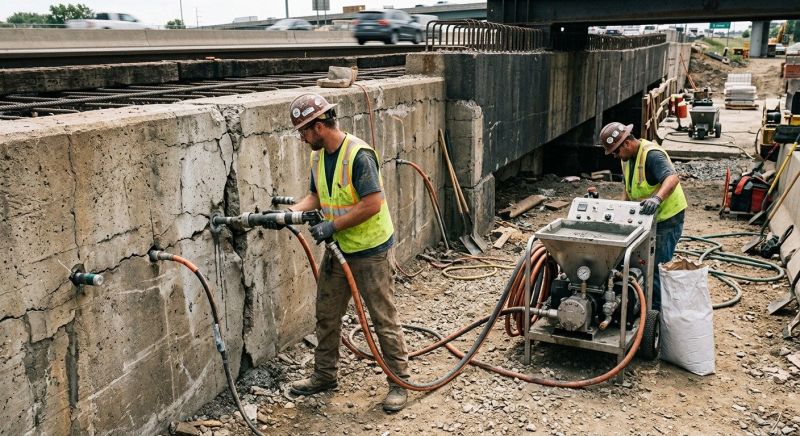
Pressure grouting services involve injecting a specialized mixture of cement, water, and other materials into soil or void spaces beneath a property to improve stability and support. This technique is commonly used in projects such as foundation repair, settling correction, soil stabilization, and underpinning for structures experiencing shifting or uneven settling. Homeowners considering pressure grouting should understand that the process helps fill gaps, reinforce weak soil, and prevent further movement, making it a practical solution for maintaining the integrity of basements, slabs, or retaining walls.
Before requesting pressure grouting, property owners often want to know about the scope of the project, including areas that need stabilization and the expected outcomes. It’s important to assess whether the soil conditions beneath the property require reinforcement or if foundation issues are causing uneven floors or cracks. Understanding the process, potential disruptions, and how the treatment can improve long-term stability can help homeowners make informed decisions about addressing structural concerns and protecting their investment.
Many property owners in Denver, CO look into Pressure Grouting for repairs, replacements, upgrades, and appearance-related improvements.
Common Pressure Grouting Jobs
Foundation Repair - stabilizes and strengthens sinking or cracked foundations.
Soil Stabilization - improves soil strength beneath slabs and retaining walls.
Basement Waterproofing - reduces water infiltration by reinforcing weak or shifting soil.
Structural Reinforcement - enhances the stability of load-bearing walls and supports.
Void Filling - fills underground cavities to prevent ground movement and settling.
Slope Stabilization - secures hillside or embankment areas to prevent landslides.
Pressure Grouting Questions
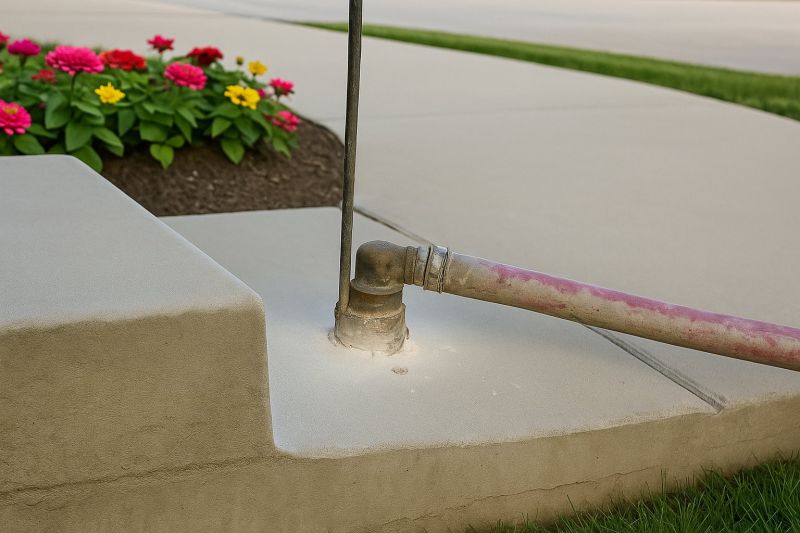
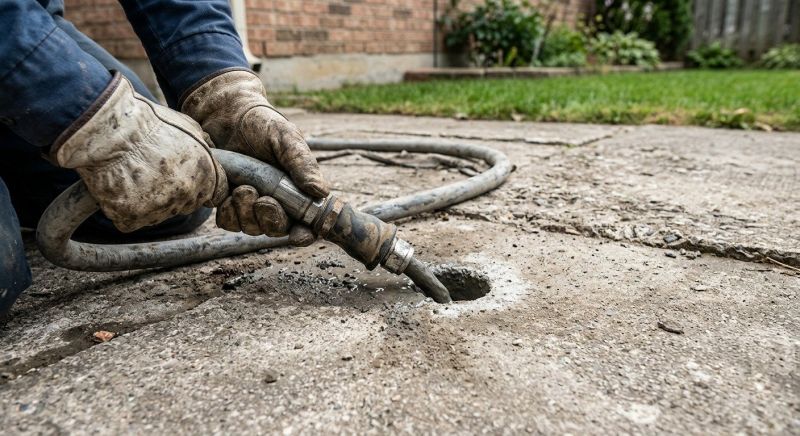
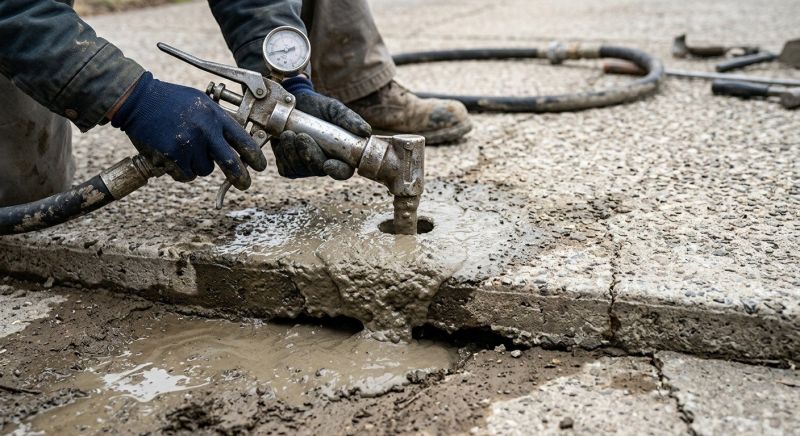
What is pressure grouting used for? Pressure grouting is used to stabilize soil, fill voids, and repair foundation issues in residential and commercial properties.
How does pressure grouting improve a property? It strengthens the ground beneath structures, reduces settlement, and prevents further shifting or cracking.
What types of projects typically require pressure grouting? Common projects include basement repairs, underpinning, soil stabilization, and void filling around foundations.
Is pressure grouting suitable for all types of soil? It works best with soils like sand, gravel, and fractured rock, but suitability depends on specific site conditions.
Request Pressure Grouting in Denver, CO
Use the quote form on this page to share the basics of your project and request more information for the type of work you need.